Solution

Electric
natural gas

TES produces e-NG, electric natural gas: renewable methane made from green hydrogen and recycled CO₂. Because e-NG is molecularly identical to natural gas, it can be used as both a drop-in fuel and a renewable methane feedstock for hard-to-abate sectors including maritime shipping, long-haul transportation, chemicals, refineries, cement, glass and steel.


What’s e-NG?

To address diverse customer needs and capabilities, our projects focus on harnessing renewable electricity to produce green hydrogen, which is then combined with recycled CO₂ (from biogenic sources or direct air capture) to form e-NG.
By relying on established technologies—such as methanation—e-NG can be seamlessly integrated into existing infrastructure (pipelines, LNG carriers, storage facilities) immediately, without new permitting or major capital expenditure.
Methanation, also known as the Sabatier reaction (developed by Paul Sabatier in 1912), converts hydrogen and carbon dioxide into methane (CH₄) and water (H₂O): CO₂ + 4H₂ → CH₄ + 2H₂O
As a drop-in fuel, e-NG offers a cost-effective, efficient pathway to advance the energy transition while minimizing emissions. Over time, increasing the proportion of e-NG in existing systems will support a more affordable and accelerated shift toward cleaner energy.

Who can use e-NG?

Hundreds of ammonia plants and dozens of methanol plants globally already rely on methane-based feedstocks. e-NG can help these assets decarbonize by changing the source of methane, not by requiring a full industrial rebuild.
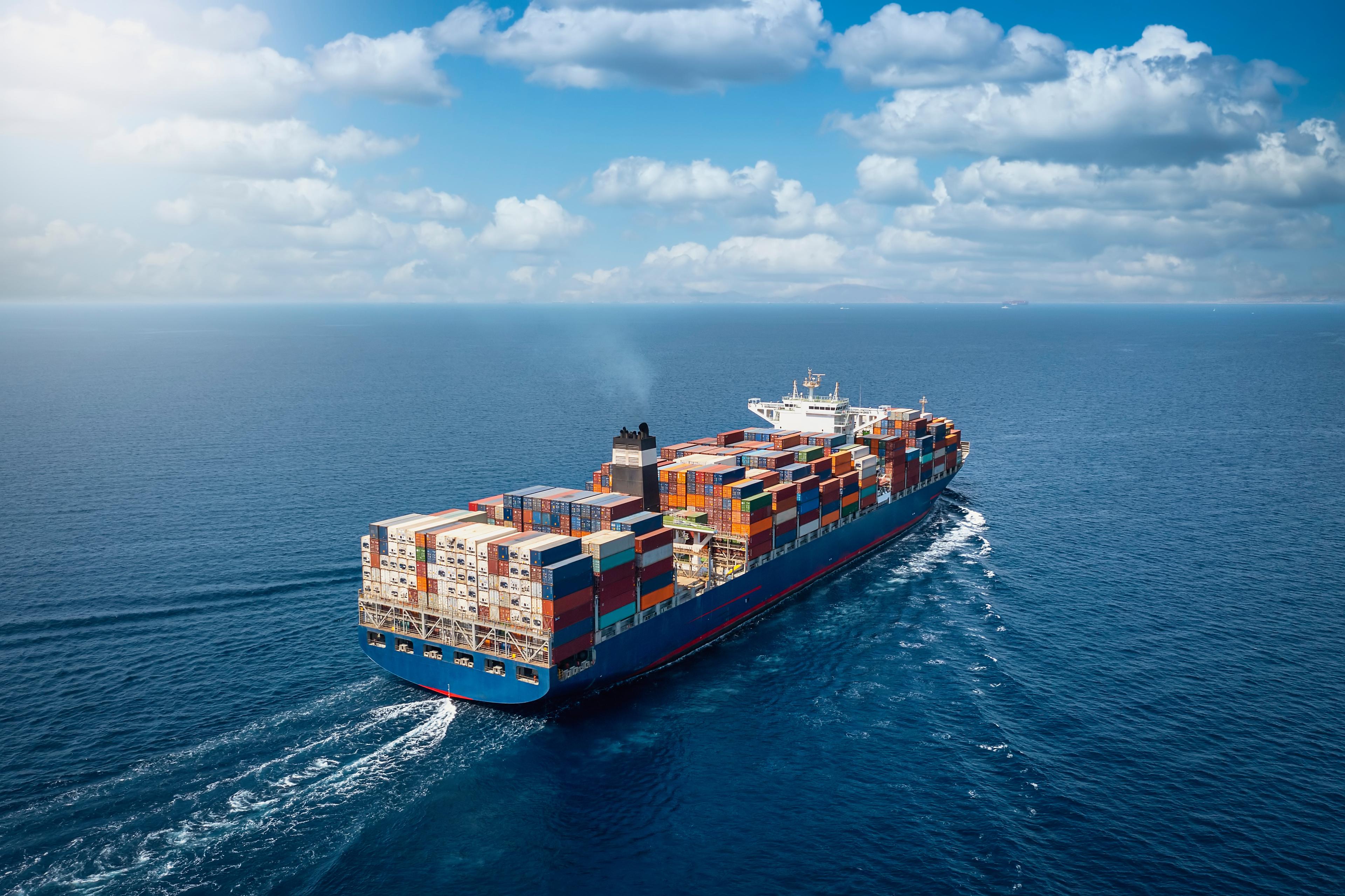
Maritime and shipping

Natural gas-run passenger and cargo ships can easily decarbonize by switching their fuel source to e-NG. Infrastructure and staff can all remain the same, and there’s no risk of service disruption due to a secure supply of e-NG.
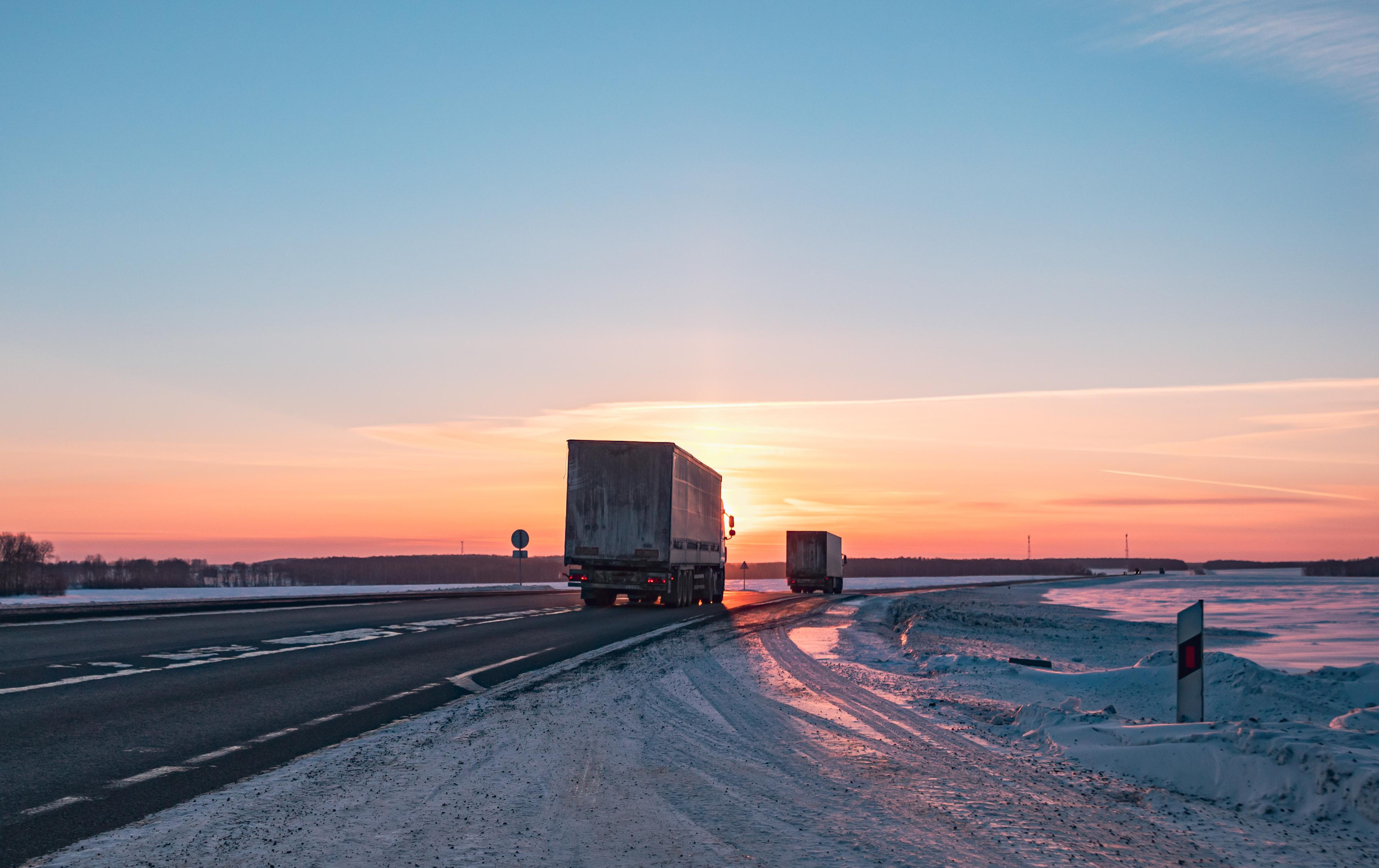
Long-haul transportation

e-NG can be used as a compressed natural gas drop-in fuel for trucking fleets that currently run on CNG. e-NG can also be reformed into green hydrogen for use in hydrogen combustion engines or hydrogen fuel cells.

Data centers

As AI’s energy needs soar, e-NG offers a path to decarbonize the data center operations. It can supply around-the-clock power at a potentially unlimited scale while seamless integrating with existing infrastructure. E-NG provides a reliable, scalable, “drop-in” solution for AI’s growing demands.
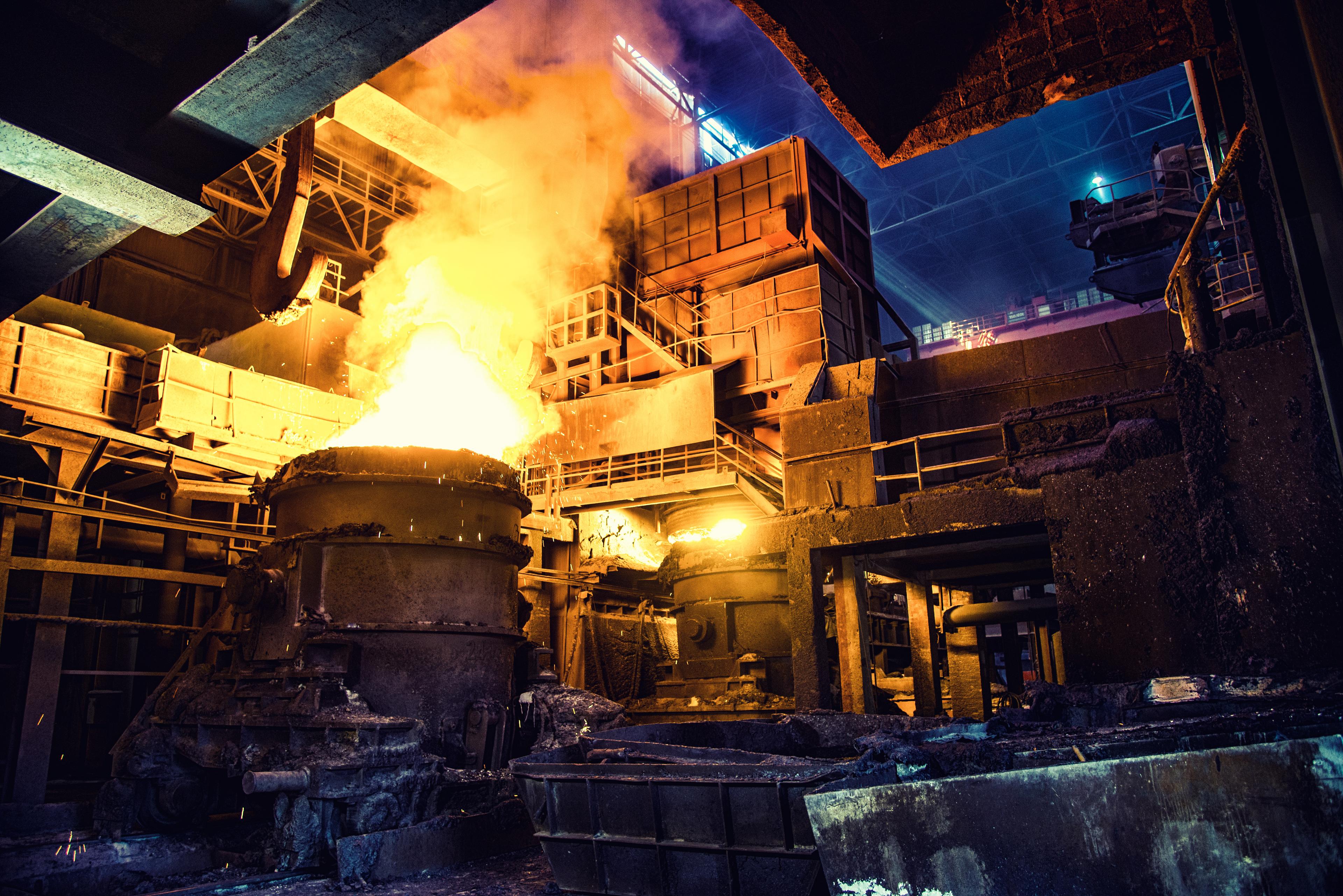
Steel production

As it blends easily into the fuel mix with natural gas, commercial direct reduction plants (DRP) can use e-NG as a drop-in fuel to begin defossilization. Other plant processes heated with natural gas like the walking beam furnace can also be decarbonized by e-NG.
Cement and glass production

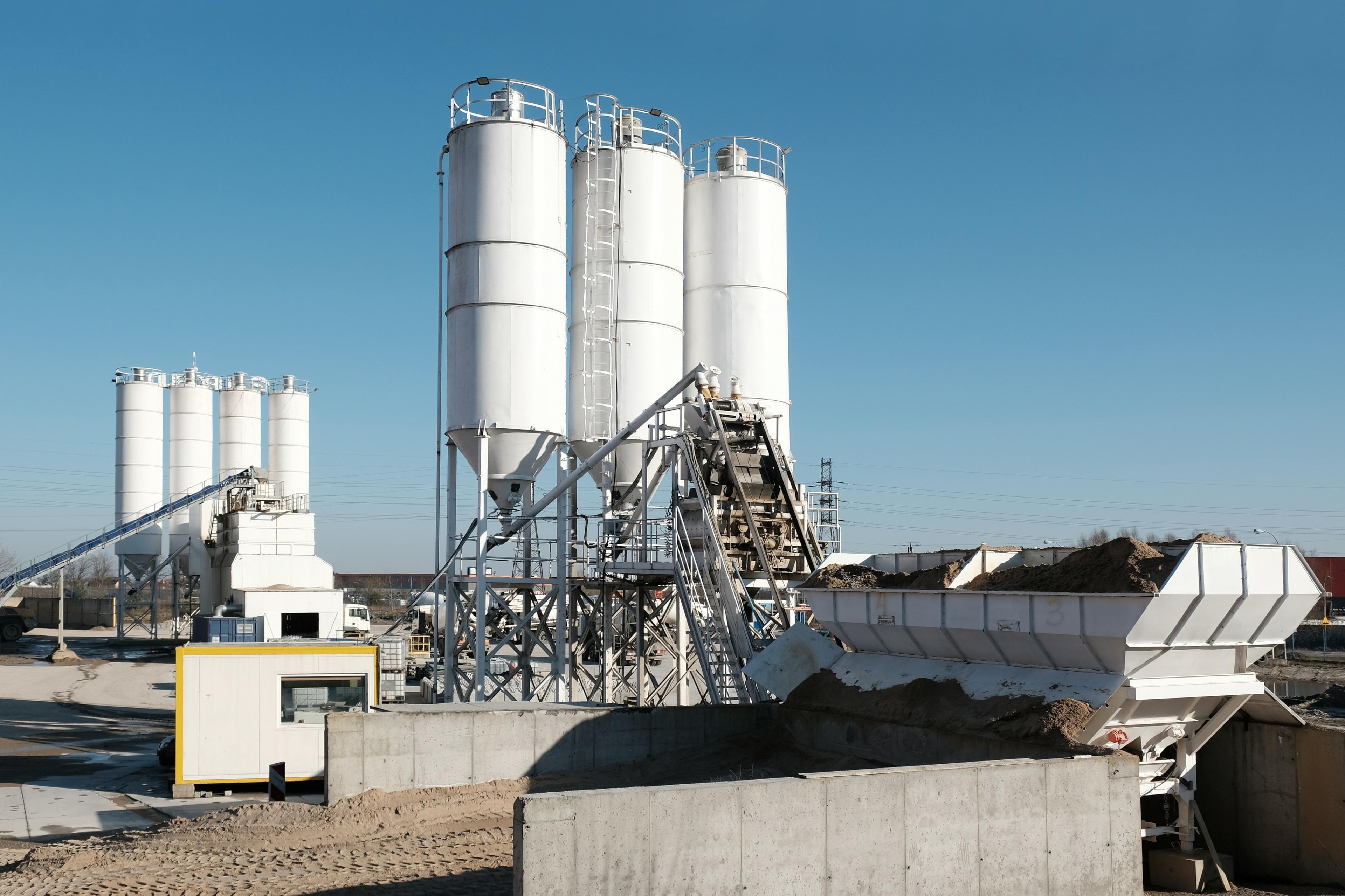
e-NG can directly replace fossil fuels used in cement production and abate emissions from fuel combustion. The glass industry can also blend e-NG into existing furnaces used for glass melting.
Chemicals and refineries

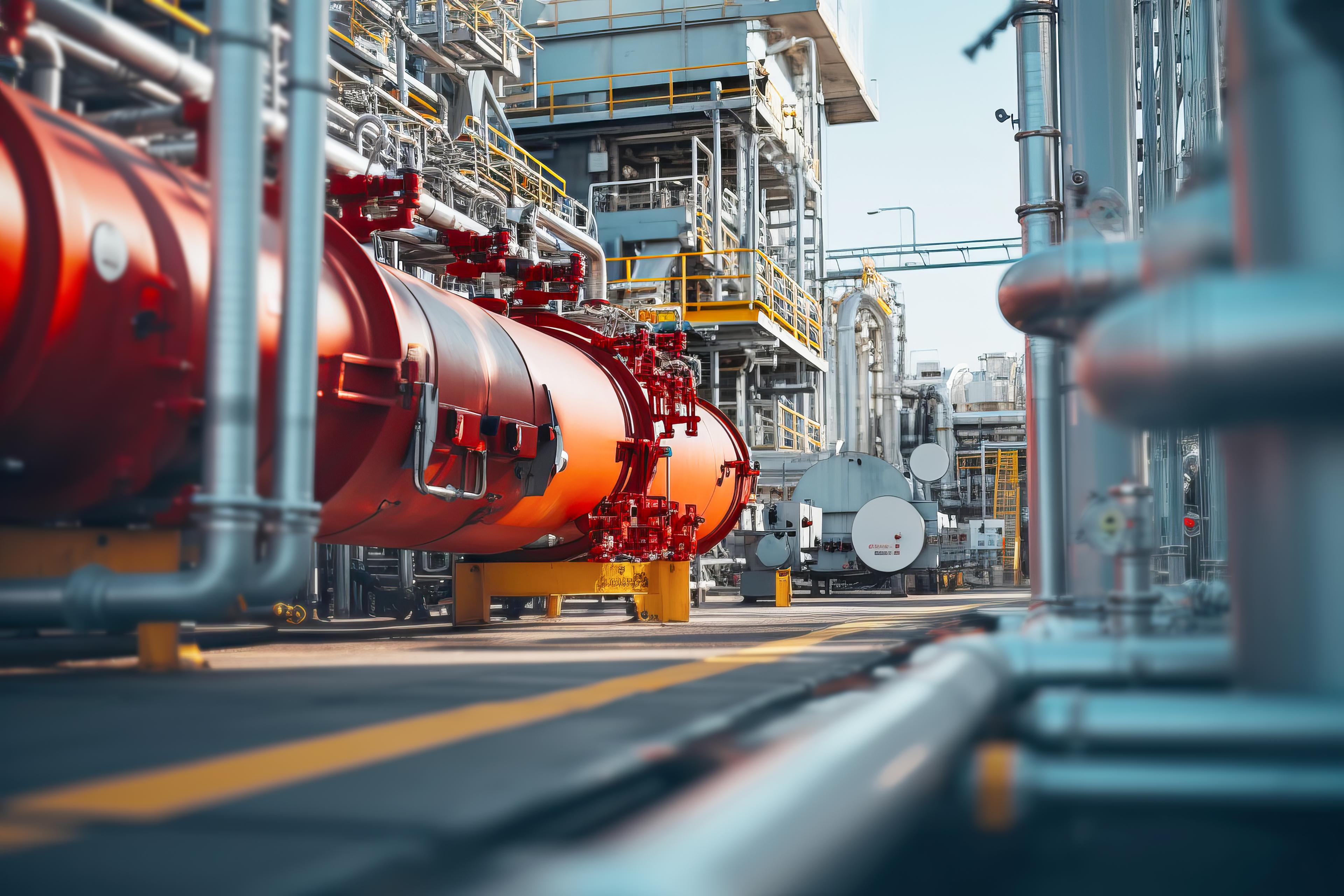
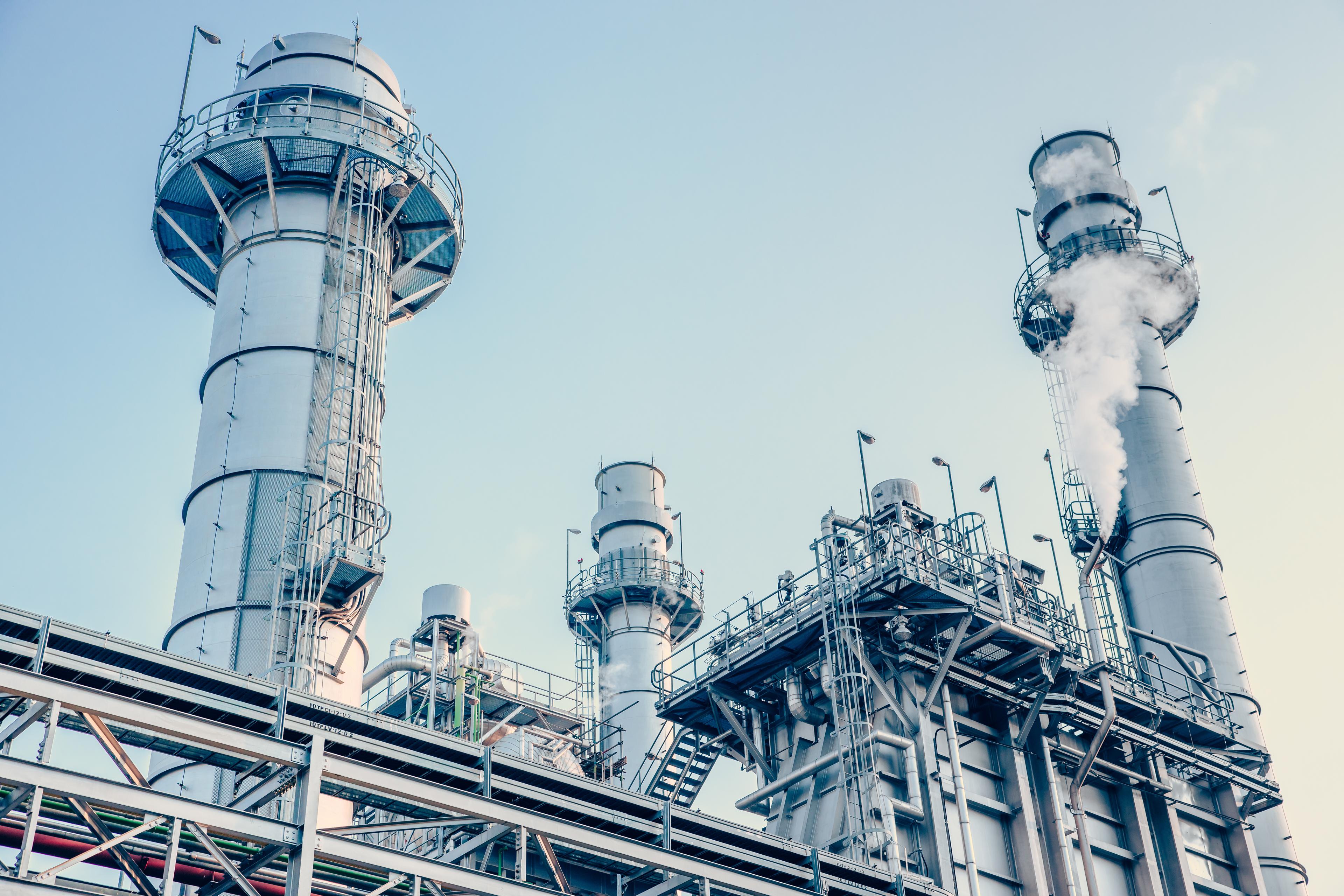
Natural gas is not only burned for energy; in many industries it is converted into hydrogen, syngas or reducing gas. e-NG can replace fossil methane in existing methane-based processes such as ammonia, methanol, refinery hydrogen, gas-to-liquids and gas-based steel, subject to site-specific qualification. This gives existing plants a lower-disruption pathway to reduce fossil gas use while preserving much of their current equipment, infrastructure and process logic.

Why your company should use e-NG

No new infrastructure needed

e-NG can be delivered globally from day one using existing pipelines, LNG carriers, and other infrastructure. No investments in new builds are required, making deployment efficient, cost-effective, and scalable for immediate use worldwide.

Scalable and flexible

e-NG, identical to natural gas, can blend seamlessly and defossilize operations at your pace. Leveraging proven technologies like methanation, e-NG ensures availability and supports a gradual transition to sustainable energy solutions.

Cost-effective

By starting with an incremental blend with natural gas, e-NG offers a cost-effective route to green molecules, benefiting from high energy density and compatibility with current infrastructure. Its lower capital demands make it a competitive alternative to other hydrogen derivatives for global decarbonization.

Meets reduction targets and certification standards

e-NG aligns with EU RED II/III targets and RFNBO requirements. Recognized by the IEA, EU, and USA, it complies with the strictest voluntary and legal certification standards, providing customers with a reliable solution for achieving emissions reduction goals.